If you are dreaming about more space near Treynor, it is easy to focus on the view, the privacy, or the idea of finally having room for a shop, horses, or a garden. But acreage buying is different from buying a typical in-town home, and the details can shape how you use the property from day one. This guide will help you think through access, utilities, zoning, and rural system issues so you can make a more confident decision. Let’s dive in.
Why acreage near Treynor appeals
Treynor sits along the Highway 92 corridor, and local community planning materials note that it is within commuting distance of Omaha and Council Bluffs. That location can make acreage living feel more practical for buyers who want open space without giving up access to work, shopping, or daily needs.
At the same time, rural convenience is not just about how close a property looks on a map. Community planning materials also note that Highway 92 is the only east-west road through town, and traffic and school-time congestion are local issues. That means your real-world drive may feel different than the mileage suggests.
Test the commute before you buy
A Treynor-area acreage may look perfect online, but your daily routine matters just as much as the land itself. If you plan to commute toward Council Bluffs, Omaha, or nearby communities, it is smart to drive the route at the times you would actually travel.
Morning and afternoon traffic can affect how easy the trip feels, especially when Highway 92 is part of the route. A parcel that seems close in theory may function very differently during school drop-off or peak commute hours.
Check road access early
Access is not only about convenience. It can also involve permits and design requirements, depending on where the driveway connects.
If a parcel fronts a primary highway, Iowa Department of Transportation access-management rules can require an approved entrance permit before work begins. If the property uses a county road, Pottawattamie County requires an entrance permit, and the county engineer reviews details like sight distance, slope, and culvert needs.
The county ordinance also makes the property owner responsible for entrance and culvert maintenance. For buyers, that is an important practical detail because the driveway itself may carry ongoing maintenance responsibilities.
Know whether it is city or rural service
One of the biggest differences between an in-town home and an acreage near Treynor is how utilities are handled. Inside the City of Treynor, the city provides water, garbage, and sewer billing.
Outside town, a property may instead rely on a private well and septic system. Before you get too far into the process, verify which setup the parcel uses and whether any utility improvements or inspections may be needed.
Private well questions to ask
For private wells, Iowa DNR says all water-supply wells require private well construction permits, with local county health departments issuing permits for private water supply wells. The DNR also recommends annual testing of private well water.
Pottawattamie County offers free testing for bacteria, nitrates, and arsenic, and the county says testing is required for all newly drilled potable water wells. If you are considering an acreage with a private well, ask for recent test information and find out the age and status of the system.
Septic details matter
Septic systems deserve close attention on rural property. Pottawattamie County says new septic installations and repairs require permits, and environmental health staff inspect both the design and the final installation.
The county also requires a Time of Transfer Inspection before a property served by a private sewage disposal system can transfer to a new owner. That makes septic review a major part of due diligence for acreage buyers.
New lots also need room for a replacement system. This is especially important in some older subdivisions, where there may not be enough space reserved for a future replacement field if the current system fails.
Backup planning can help
If a well or septic issue comes up, that does not always mean the property is off the table. Pottawattamie County and Iowa DNR both point to assistance programs for failing or inadequate systems, including OSWAP low-interest loans and other cost-share or loan options.
That kind of information can be helpful if you are comparing older acreages that may need system updates over time. It gives you a more realistic picture of ownership costs and possible next steps.
Zoning can affect how you use the land
Many buyers assume a rural parcel automatically gives them total flexibility. In reality, acreage use near Treynor is often more parcel-specific than people expect.
Pottawattamie County’s zoning ordinance includes an agricultural-use exemption, but it is not automatic for every rural property. The ordinance says agricultural structures used for agricultural purposes are generally exempt from county zoning restrictions and building permits, yet tracts under 35 acres are presumed not primarily agricultural.
For a smaller acreage or hobby-farm purchase, that distinction matters. A property may feel rural, but it may not qualify for the same treatment as a larger working farm.
Outbuildings, sheds, and setbacks
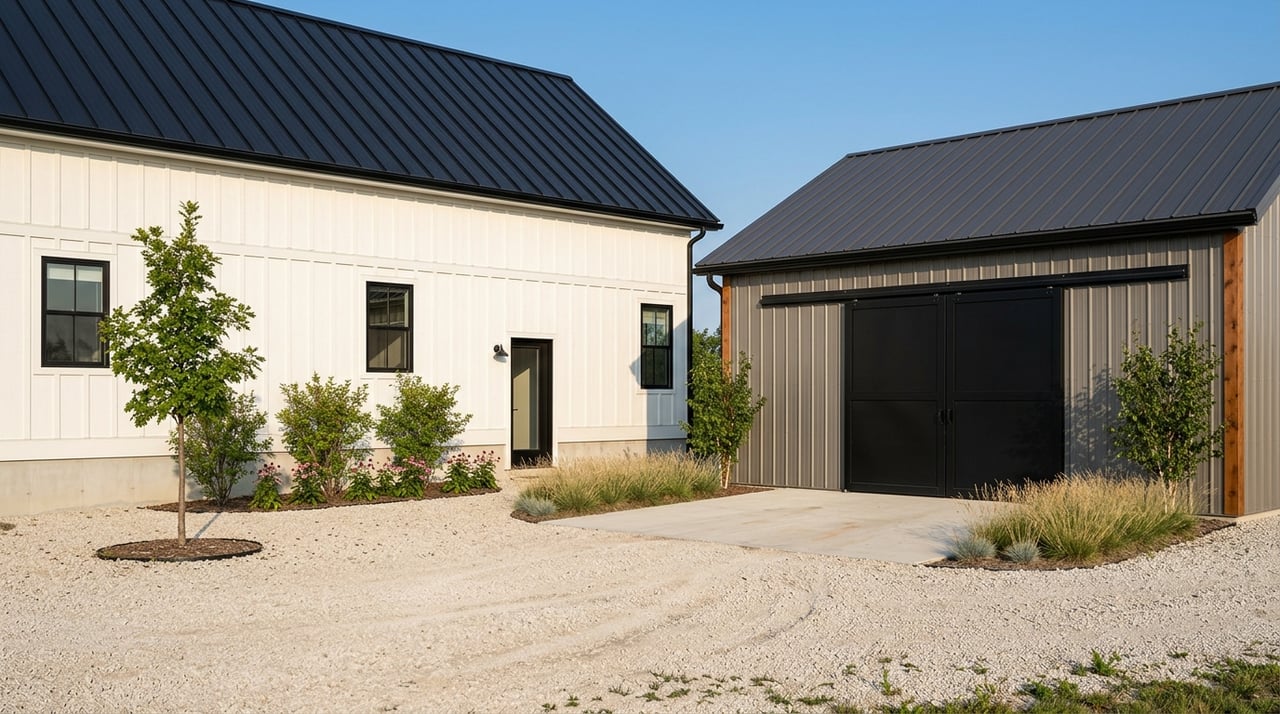
If your plan includes a barn, shop, shed, or other outbuilding, check the rules before you buy. Pottawattamie County says outbuilding height limits vary by zoning district, and setbacks also vary by district and location.
The county’s FAQ notes that sheds 200 square feet or larger need permits, and all sheds must meet setback rules. The county also says permits are required for deck construction, reroofing, and grading work over 50 cubic yards.
That means even common improvement plans can involve approvals. If you are picturing a future workshop, horse setup, or expanded building site, confirm the parcel’s zoning details early.
Horses and hobby-farm uses
If you want horses or other hobby-farm uses, the key question is whether your intended use is allowed on that specific parcel. That answer depends on the zoning district and the property’s conditions, not just on how rural the area looks.
Pottawattamie County says a conditional use permit can authorize uses not normally permitted in a zoning district, and those requests are reviewed by the Zoning Board of Adjustment. If your plans are specific, it is worth checking this before you fall in love with the land.
Do not overlook private restrictions
County zoning is only one layer of rules. Pottawattamie County’s ordinance says its standards are minimums, and the more restrictive rule controls if covenants, deed restrictions, ordinances, or other laws conflict.
In practical terms, an acreage can still have private restrictions on things like barns, fencing, parking, animals, or exterior changes. That is why reviewing covenants and deed restrictions is just as important as checking county rules.
Watch for site conditions that affect future plans
A beautiful rural lot can still come with physical limitations. Before you buy, ask whether there are abandoned wells, old cisterns, drainage issues, or floodplain concerns that could affect current use or future expansion.
Pottawattamie County Planning and Development is the county hub for zoning, subdivision, building code, floodplain management, onsite wastewater, private water well, rural addressing, and abandoned-well questions. Because acreage issues are often parcel-specific, knowing which office handles which question can save time and confusion.
Clearing, grading, and floodplain review
If you expect to clear trees, build a driveway, create a pad site, or reshape the land for a pasture or outbuilding, ask what review may be needed. The county says tree clearing may need review in some locations, especially in floodplain areas.
The county also requires grading permits when more than 50 cubic yards of soil are moved. For buyers planning major improvements, this is another reason to evaluate the property based on your intended use, not just its current appearance.
A smart Treynor acreage checklist
Before you commit to buying acreage near Treynor, it helps to slow down and confirm the basics. A few early checks can prevent expensive surprises later.
- Is the parcel inside Treynor city limits or in the county?
- What zoning district applies to the property?
- What are the setback and height rules for sheds, barns, and other outbuildings?
- Does the driveway already have the right permit, or will a new entrance permit be needed?
- Is the property served by city utilities, a private well, a septic system, or some combination?
- Is there a recent well test for bacteria, nitrates, and arsenic?
- Has the septic system had a recent Time of Transfer Inspection?
- Is there room on the lot for a replacement septic field if needed?
- Are there covenants or deed restrictions that are more restrictive than county rules?
- Are there abandoned wells, drainage concerns, or floodplain issues?
- Will your plans involve tree clearing, dirt work, or other improvements that may require permits?
Why early due diligence matters
Buying acreage near Treynor can be a great move if you want more room and a different pace of living. But rural property works best when you confirm access, utilities, zoning, covenants, and inspections before assuming the land will function like a standard suburban lot.
That kind of planning does not take the excitement out of the search. It simply helps you choose a property that fits the way you actually want to live, use, and maintain it.
If you are thinking about buying acreage near Treynor or elsewhere in western Iowa, Robin Philips can help you sort through the details with steady, practical guidance.
FAQs
What should you check before buying acreage near Treynor?
- Focus on access, zoning, utility type, well testing, septic inspection status, covenants, and any site issues such as drainage or floodplain concerns.
Does a rural property near Treynor always allow barns or hobby-farm use?
- No. Pottawattamie County rules are parcel-specific, and intended uses or outbuildings may depend on zoning, setbacks, permits, or possible conditional use approval.
Do properties near Treynor with private septic systems need inspections before sale?
- Yes. Pottawattamie County requires a Time of Transfer Inspection before a property served by a private sewage disposal system can transfer to a new owner.
Should you test a private well on acreage near Treynor?
- Yes. Iowa DNR recommends annual testing, and Pottawattamie County offers free testing for bacteria, nitrates, and arsenic.
Can driveway access affect a Treynor acreage purchase?
- Yes. If the parcel fronts Highway 92 or uses a county road, entrance permits and design review may apply, and owners are responsible for entrance and culvert maintenance in county-road situations.